Transforming your outdoor living space requires thoughtful landscape design and professional outdoor feature installation. Whether you’re a homeowner seeking a garden makeover, a property developer planning an inviting exterior, or a DIY enthusiast aiming to enhance your yard, understanding the key components and best practices is essential. This guide covers everything from landscape planning and soil preparation to installing hardscape and softscape elements, sustainable landscaping, and long-term maintenance tips to create beautiful, functional, and eco-friendly outdoor spaces.
Understanding Landscape Design
Landscape design is the art and science of analyzing and modifying the features of a land area shrub pruning Pasadena to create aesthetically pleasing and functional outdoor environments. It integrates both natural elements like plants and soil with constructed features such as pathways and patios. Effective landscape planning involves careful consideration of site conditions, soil quality, drainage, and the intended use of the space, ensuring a harmonious balance between beauty and utility.
Soil preparation and landscape renovation are foundational steps that improve plant health and longevity. Preparing the soil by enriching it with compost and practicing proper mulch application helps control erosion and retain moisture, setting the stage for thriving garden beds and lush greenery.
Hardscape vs. Softscape Elements
When designing your landscape, it's important to distinguish between hardscape and softscape components. Hardscape refers to the non-living features like retaining walls, decking, pathways, patios, and landscape edging made from materials such as stone, wood, concrete, or metal. These provide structure and functional use to outdoor spaces.
Softscape includes all living elements—garden beds filled with shrubbery, trees, seasonal flowers, ground cover, and lawns. Together, hardscape and softscape harmonize to offer both visual appeal and practical benefits, such as defining garden areas and providing comfortable outdoor seating zones.
Importance of Soil Preparation and Mulch Application
Successful landscape design starts with the ground up. Soil preparation entails testing soil pH, improving texture and fertility through composting, and ensuring proper drainage. Mulch application over garden beds not only enhances visual appeal but also stabilizes soil temperature, conserves moisture, and prevents weed growth. Incorporating composting areas into your landscape design supports sustainable gardening by recycling organic waste into nutrient-rich soil amendments.
Popular Outdoor Features and Their Installation
Outdoor features elevate the lifestyle and functionality of your backyard or property. From cozy fire pits to fully equipped outdoor kitchens and elegant pergola structures, these installations maximize usability and enjoyment of outdoor living spaces year-round.
Installing Pathways, Patios, and Retaining Walls
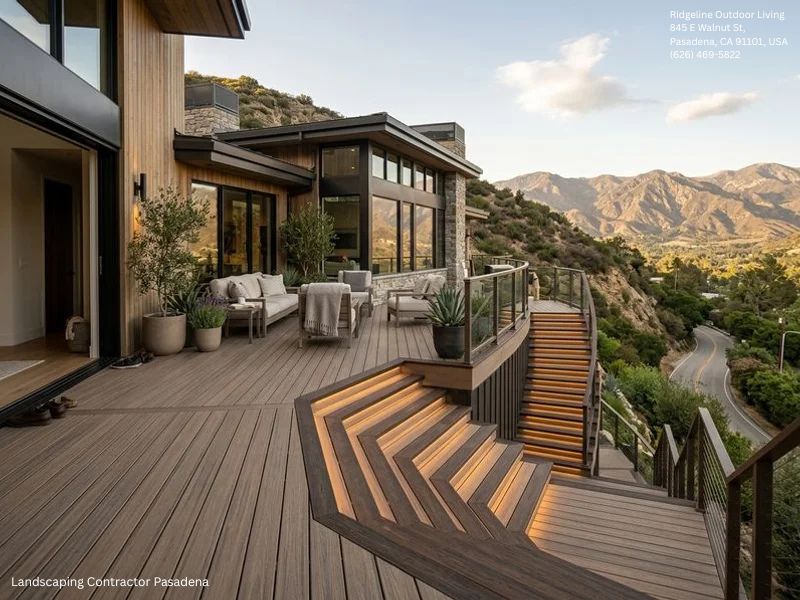
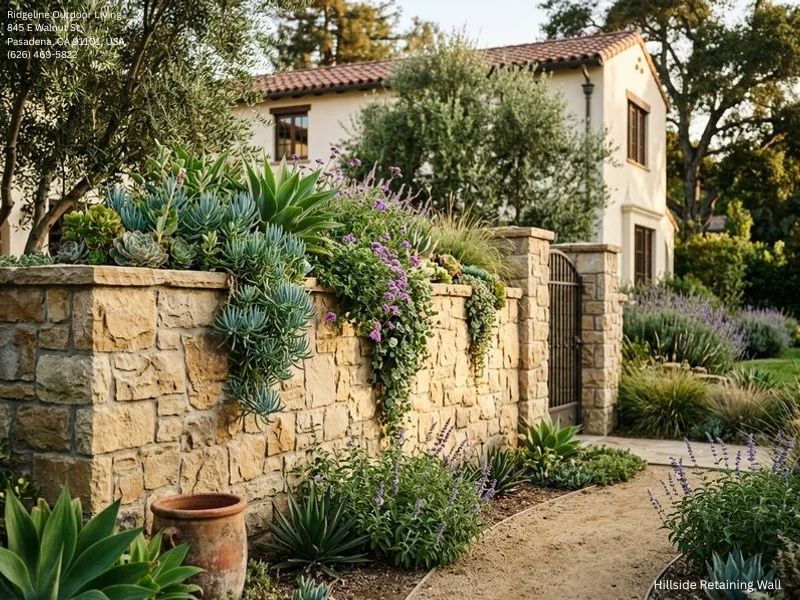
Pathway installation and patio design form the backbone of outdoor circulation and gathering areas. Using decorative stones, pavers, or stamped concrete for pathways and patios enhances accessibility and complements surrounding plantings. Retaining walls serve both structural and aesthetic purposes by managing slopes and creating tiered garden beds. Proper foundation preparation and landscape edging are critical to the durability and visual integration of these hardscape elements.
Garden Lighting and Outdoor Sound Systems
Garden lighting and outdoor sound systems add ambiance and safety to your landscape design. Strategically placed pathway lighting brightens walkways, while landscape lighting highlights architectural features, trees, and water features. Integrating an outdoor sound system can enrich your environment with music or nature sounds, transforming your garden into a relaxing retreat.
Incorporating Sustainable and Low-Maintenance Landscaping
Sustainability in landscaping is increasingly important. Utilizing drought-tolerant plants, native species, and xeriscaping principles reduces water consumption and maintenance efforts. Rain gardens and biodiversity planting improve landscape drainage and support local ecosystems by attracting beneficial insects and birds.
Irrigation Systems and Erosion Control Solutions
Efficient irrigation systems tailored to your landscape’s needs ensure optimal watering without waste. Automated drip irrigation combined with smart home technology can adjust watering schedules based on weather, promoting healthy growth and conservation. Erosion control methods, including mulch application, terracing, and retaining walls, protect soil integrity and prevent sediment runoff during heavy rains.
Choosing the Right Plants: Trees, Shrubs, and Ground Cover
Selecting appropriate tree planting, shrubbery, and ground cover is central to a successful, sustainable landscape. Native plants are adapted to local climates and soil, offering resilience and minimal upkeep. Seasonal flowers and vegetable gardens add color, fragrance, and productivity, enhancing both aesthetics and functionality. Proper plant placement considering sunlight, soil type, and moisture levels ensures robust growth and vibrant landscapes.
Enhancing Outdoor Spaces with Functional and Decorative Elements
Beyond plants and structural features, functional and decorative additions personalize your outdoor space. Comfortable garden furniture and outdoor seating invite social gatherings, while garden sculptures and trellises add artistic flair and vertical interest. Privacy screens and fencing provide security and seclusion, turning your yard into a private oasis.
Outdoor Storage and Fencing Options
Integrating effective outdoor storage solutions declutters your garden and keeps tools and equipment organized. Weather-resistant sheds or built-in storage benches blend seamlessly with your design. Fencing options range from traditional wood to modern metal designs, serving as privacy screens or boundary markers that complement landscape styles.
Creating Vertical and Rock Gardens
Vertical gardens and rock gardens introduce texture and dimension, maximizing space especially in smaller yards. Vertical gardens use trellis systems or modular planting walls to grow vines, herbs, or flowers upward. Rock gardens combine drought-tolerant plants with decorative stones and boulders, creating naturalistic, low-maintenance features. Pond installations and greenhouse setups further diversify outdoor environments by incorporating water elements and extending growing seasons.
Landscape Maintenance and Long-term Care
Maintaining your landscape ensures that your investment continues to flourish and look its best through every season. Routine lawn installation care, composting area management, mulch replenishment, and seasonal pruning keep plants healthy and pests at bay. Regular landscape maintenance also involves checking irrigation systems, cleaning outdoor lighting fixtures, and winterizing features to protect against harsh weather.
Hiring Professional Landscape Design and Installation Services
While DIY projects are rewarding, hiring a professional landscape architect or contractor often guarantees superior results, especially for complex outdoor feature installation and large-scale landscaping. Professionals offer custom landscape design services tailored to your site, budget, and lifestyle preferences. They bring expertise in soil analysis, plant selection, and hardscape construction, ensuring code compliance and project efficiency. Project consultation phases help clarify your vision, timelines, and cost estimates, reducing stress and surprises.
Checklist for Successful Landscape Projects
- Conduct site analysis and soil testing Create a detailed landscape plan balancing hardscape and softscape Choose sustainable plants suited to your climate Prepare soil and apply mulch for optimal planting conditions Install irrigation and drainage systems to protect landscape health Select and install outdoor features with attention to durability and safety Incorporate lighting and sound systems for ambiance and security Plan for long-term maintenance including seasonal care and composting Consult professionals when undertaking significant renovations or installations
Frequently Asked Questions
What is the difference between landscape design and hardscape installation?
Landscape design encompasses the overall planning of outdoor spaces including both living (softscape) and non-living (hardscape) elements. Hardscape installation specifically refers to the building of structures like patios, retaining walls, and pathways within the landscape plan.
How long does a typical landscape design and outdoor feature installation project take?
Project duration varies depending on scope, complexity, and weather, ranging from a few weeks for simple installations to several months for extensive renovations involving multiple features.
What are the benefits of incorporating drought-tolerant plants in landscaping?
Drought-tolerant plants reduce water usage, lower maintenance needs, and contribute to sustainable landscaping by thriving in local climate conditions without excessive irrigation.
How do I choose the right outdoor features for my yard’s size and layout?
Consider the available space, intended use, existing landscape style, and budget. Functional features like seating and pathways improve usability, while decorative elements add character without overcrowding the site.
Can I install an outdoor kitchen myself, or should I hire a professional?
While DIY installation is possible for experienced individuals, hiring professionals is recommended due to plumbing, electrical, and structural complexities ensuring safety and code adherence.
How do I maintain my landscape lighting and irrigation system?
Regularly clean fixtures, inspect wiring, replace bulbs, and test irrigation emitters for blockages or leaks. Seasonal adjustments optimize performance and conserve resources.
What permits or approvals are needed for outdoor feature installation?
Permit requirements vary by location and project type. Commonly needed permits include electrical, plumbing, and building permits for features like outdoor kitchens, fireplaces, or large structures. Check with local authorities.
How can I make my landscape more sustainable and eco-friendly?
Adopt xeriscaping, use native plants, install rain gardens for natural drainage, implement efficient irrigation, compost organic waste, and avoid chemical pesticides to create environmentally responsible outdoor spaces.
Conclusion
Creating a stunning landscape design combined with expertly installed outdoor features transforms your property into a welcoming, functional, and sustainable outdoor living space. By understanding the balance between hardscape and softscape, investing in proper soil preparation, choosing appropriate lighting and irrigation, and incorporating eco-friendly practices, you ensure your garden looks beautiful and thrives year-round. Whether you choose to pursue a DIY approach or enlist professional landscape architects and installers, careful planning and maintenance will yield rewarding results that enhance your lifestyle and property value.
Ready to begin your landscape transformation? Consult with landscape professionals today to develop a personalized plan that suits your vision, budget, and environment.
Our Local Sponsor
Business Name: Ridgeline Outdoor Living
Address: 845 E Walnut St, Pasadena, CA 91101, United States
Phone: (626) 469-5822
Ridgeline Outdoor Living
Ridgeline Outdoor Living is a Pasadena-based landscape design-build company serving Greater Los Angeles with custom outdoor living, hardscape, and drought-tolerant landscape solutions. The company specializes in patios, retaining walls, outdoor kitchens, drainage, hillside projects, and turnkey landscape construction, handling projects from design and permitting through final build and warranty.
845 E Walnut St, Pasadena, CA 91101, USA
Business Hours:
- Monday – Saturday: 8:00 AM – 6:00 PM
- Sunday: Closed
Follow Us: